Buying a home is one of the biggest decisions most people make. From inspecting the foundation and checking the roof to reviewing electrical systems and appliances, buyers often spend weeks evaluating every detail before signing the paperwork.
However, one important item is frequently overlooked: the quality of the home’s water.
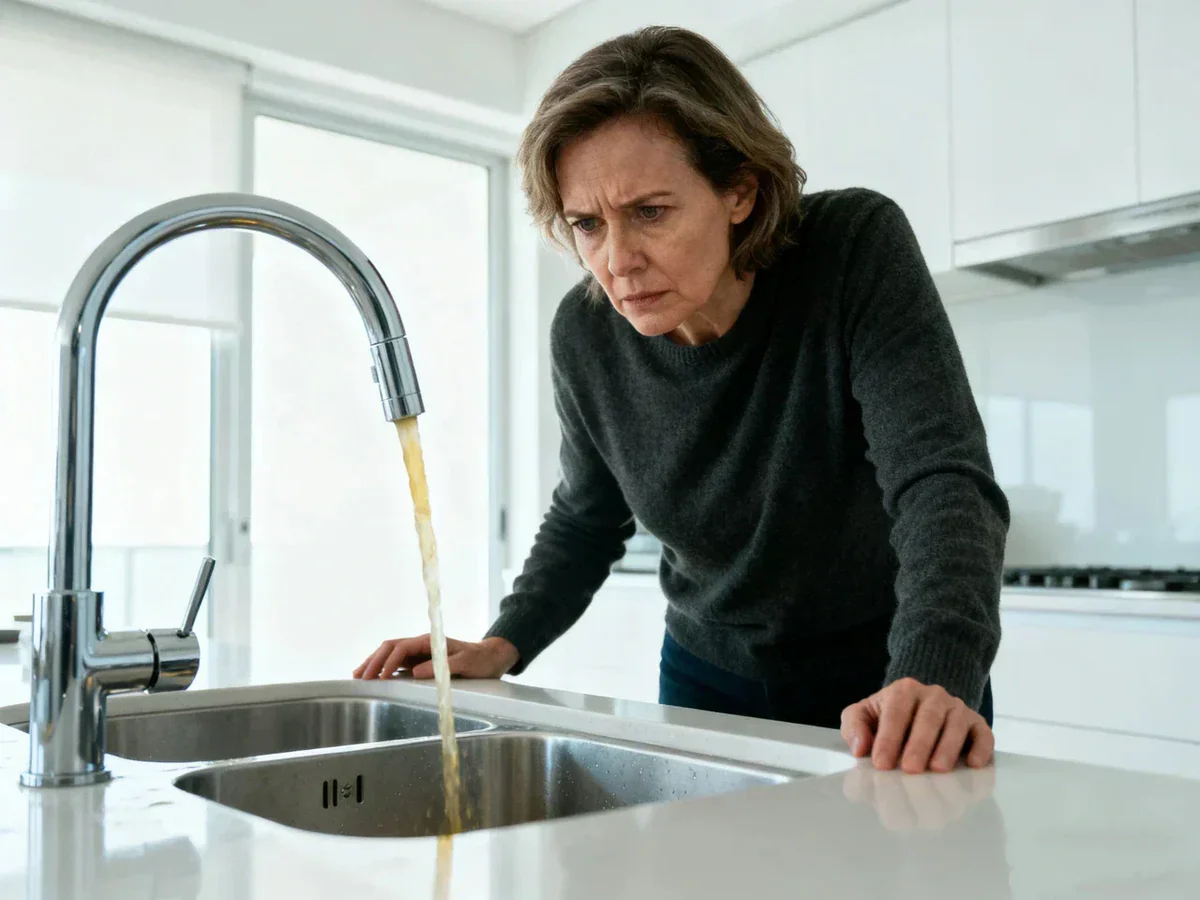
A house may look perfect during a walkthrough, but what comes out of the tap can reveal issues that are impossible to see. Water quality problems, including lead contamination, can exist without warning signs such as bad taste, odors, or discoloration.
Adding a water quality test to your home-buying checklist can provide valuable information, protect your family, and help you make a more informed investment decision.
Why Water Quality Matters When Buying a Home
Many buyers assume that if a home is connected to a public water system, the water must automatically be safe. While municipal water providers follow regulations and monitor water quality, problems can still occur between the treatment facility and your home’s faucet.
A home’s private plumbing system plays a major role in water quality.
Issues may come from:
- Aging pipes
- Lead service lines
- Older plumbing fixtures
- Corrosion
- Well water contamination
- Previous plumbing repairs
Some homes may have excellent water quality, while others may require attention before moving in.
A water test helps uncover potential concerns before they become an unexpected problem.
For homeowners who want to understand how lead can enter drinking water systems, our guide on lead in water explains common sources and risks.
The Hidden Risk of Lead in Older Homes
One of the biggest reasons to test water before purchasing a home is the possibility of lead contamination.
Lead was historically used in plumbing materials because it was durable and easy to work with. Although its use has been reduced through modern regulations, many older homes may still contain lead components.
Potential sources include:
- Lead service lines connecting the home to the water main
- Lead-based solder in older plumbing systems
- Brass faucets and fixtures containing lead
- Aging pipes that release metals over time
The challenge is that lead does not make water look dirty or unsafe. A glass of contaminated water can appear completely normal.
According to the U.S. Environmental Protection Agency (EPA), lead can enter drinking water through corrosion of plumbing materials and may pose health risks, especially for children and pregnant individuals.
Testing before buying a home gives buyers a clearer picture of what they are purchasing.
Why a Standard Home Inspection May Not Be Enough
A traditional home inspection is an important part of the buying process, but it does not always include detailed water quality analysis.
A home inspector may evaluate:
- Plumbing condition
- Visible leaks
- Water pressure
- Fixtures
- Drain systems
However, many contaminants cannot be identified through visual inspection alone.
A water quality test can provide information about things that cannot be seen, including:
- Lead levels
- Bacteria
- Minerals
- Chemicals
- Other potential contaminants
This additional step helps create a more complete understanding of the property.
What Should a Home Water Test Check For?
The exact testing panel depends on the home’s location, age, and water source.
Common tests may include:
Lead
Lead testing is especially important for older homes or properties in areas with aging infrastructure.
Bacteria
Homes with private wells may need testing for bacteria such as E. coli and other microorganisms.
Nitrates
Nitrates can be a concern in areas affected by agricultural runoff or certain groundwater conditions.
Hardness and Minerals
High mineral content can affect plumbing, appliances, and water taste.
Other Local Concerns
Some regions may have specific water quality issues based on local conditions.
Understanding local risks is important because water quality challenges vary significantly from one community to another. That is why professional residential water testing in NYC is worth arranging early, so buyers can interpret the results against what local conditions suggest.
Older Homes Require Extra Attention
The age of the property is one of the biggest factors when deciding whether to test water.
Homes built decades ago may have:
- Original plumbing materials
- Older fixtures
- Outdated connections
- Aging service lines
This does not mean an older home is unsafe. Many older properties have excellent water quality. However, age increases the possibility that hidden plumbing concerns exist. Certified home water testing in NYC gives buyers documented evidence about those hidden materials before they commit.
Buyers should pay close attention to homes built before modern plumbing standards were introduced.
Local Infrastructure Can Affect Your Home’s Water
A home’s water quality is influenced by more than just what happens inside the house.
Water travels through a larger network of:
- Treatment facilities
- Distribution pipes
- Water mains
- Service connections
Communities with aging infrastructure may face challenges related to older pipes and replacement projects.
Understanding local conditions can help buyers evaluate potential risks before purchasing a property.
Our page on water infrastructure provides more information about how water systems and aging infrastructure can affect households.
When Should You Schedule a Water Test?
Ideally, water testing should happen during the home-buying process before closing.
The best time is usually during the inspection period, when buyers still have options if unexpected problems are discovered.
Test results may help you:
- Request repairs
- Negotiate with the seller
- Plan future improvements
- Decide whether the property is right for you
Waiting until after moving in may limit your options.
How Professional Testing Helps Home Buyers
While DIY water kits may seem convenient, professional testing provides more detailed and reliable information.
A certified laboratory can provide:
- Accurate measurements
- Detailed reports
- Testing for specific contaminants
- Documentation for decision-making
This can be especially important when buying a property because the results become part of your understanding of the home’s condition.
A professional report can also help identify whether further investigation is needed.
What If the Test Finds Lead?
Discovering lead in a home’s water does not automatically mean you need to walk away from the purchase.
The next step is understanding the source and level of contamination.
Possible solutions may include:
- Replacing affected plumbing components
- Installing certified filtration systems
- Replacing lead service lines
- Working with local water programs
The right solution depends on the specific situation.
Current water safety efforts and regulations continue to evolve as communities work to reduce lead exposure and improve infrastructure.
You can learn more about these efforts through our page on water regulations.
Questions Buyers Should Ask Before Purchasing
Before finalizing a home purchase, consider asking:
Is the home connected to a public water system or a private well?
Different water sources require different testing approaches.
How old is the plumbing?
The age and materials of the plumbing system can influence risk.
Has the water ever been tested?
Previous results may provide useful information.
Are there local water concerns?
Community reports and local programs can provide valuable context.
The Long-Term Benefits of Testing Before You Buy
A water quality test is a small investment compared with the overall cost of purchasing a home.
It can help buyers:
- Protect their family
- Avoid unexpected repairs
- Understand maintenance needs
- Make confident decisions
Many home problems are easy to notice. Water quality problems often are not.
Taking the time to test before buying provides an extra layer of protection and knowledge.
Final Thoughts
A home is more than its walls, floors, and appliances. The water flowing through the property is an important part of the living environment.
Before purchasing a home, adding a water quality test to your checklist can reveal hidden issues and help you make a smarter decision.
Whether you are buying an older property, moving into a new neighborhood, or simply want peace of mind, testing your water is a practical step toward protecting your family’s health.
If you have questions about water testing, lead concerns, or what to look for before buying a home, explore our FAQ resources or contact our team through the contact page.