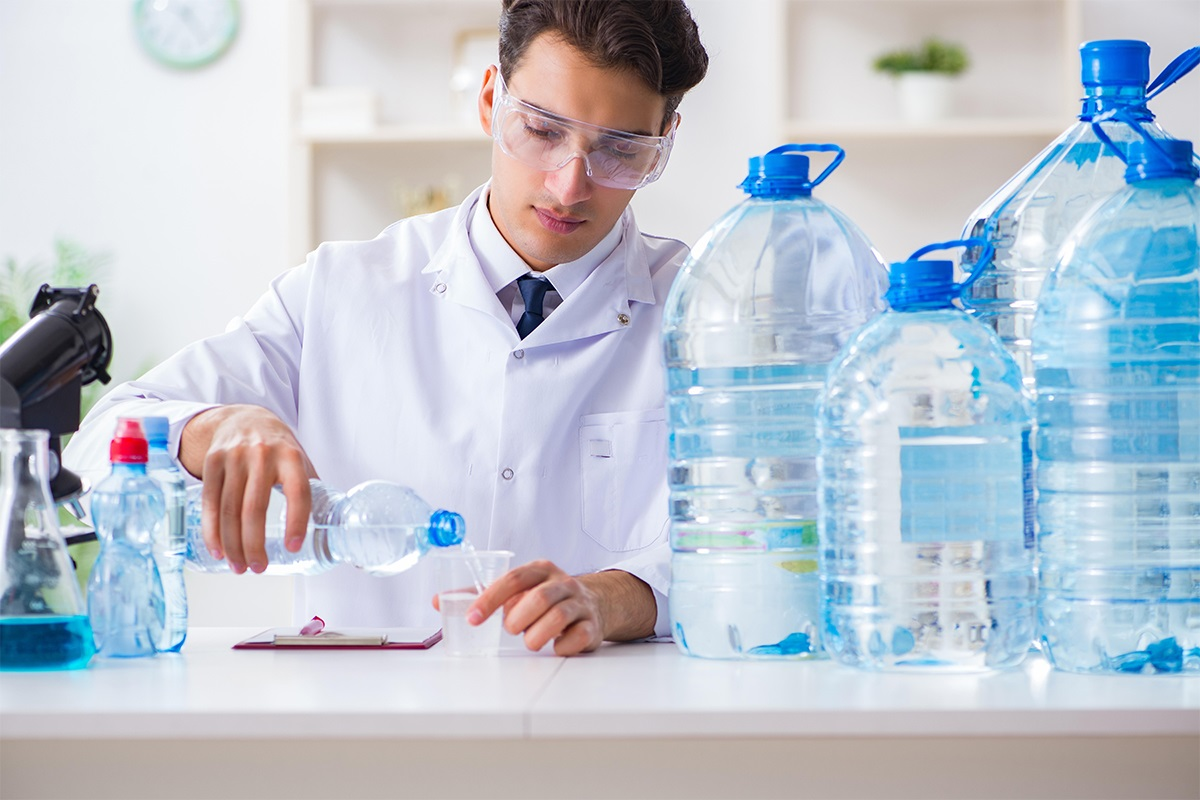
Clean water is one of the most important parts of a healthy home. We use it every day for drinking, cooking, bathing, cleaning, and caring for our families. Because water is such a normal part of daily life, it is easy to assume that the water coming from your tap is always safe.
However, many water quality issues are invisible. Contaminants such as lead, bacteria, chemicals, and other substances may be present without changing the color, smell, or taste of your water.
This is why regular water testing is an important part of maintaining a healthy home. Testing provides valuable information about what is actually coming from your faucet and helps you take action before small concerns become larger problems.
Why Clean Water Begins Inside Your Home
Many people think water safety depends only on the treatment facility or the local water provider. While those systems play an important role, your home’s plumbing also affects the quality of the water you use.
Water travels through a long journey before reaching your glass. Along the way, it may pass through:
- Municipal pipes
- Service lines
- Household plumbing
- Faucets and fixtures
Each part of this journey can influence water quality.
Even if your local water supply meets safety standards, problems can still develop inside an individual home due to aging pipes, corrosion, or plumbing materials.
Understanding where risks can occur is the first step toward protecting your household.
For more information about common sources of contamination, explore our guide on lead in water.
The Hidden Risks You Cannot See
One of the biggest challenges with water quality is that many problems are not obvious.
Homeowners often assume there is an issue only if water looks cloudy or has an unusual smell. While these signs can indicate problems, many harmful contaminants do not create visible changes.
For example, lead contamination typically does not affect:
- Water color
- Taste
- Smell
- Appearance
Lead can enter drinking water through older plumbing materials, including lead service lines, solder, and certain fixtures.
The Environmental Protection Agency (EPA) explains that lead can enter drinking water when plumbing materials containing lead corrode over time. Regular testing is one of the best ways to identify potential problems.
How Regular Water Testing Protects Your Family
Regular testing is about more than finding problems. It is about understanding your home’s water quality and making informed decisions.
1. Detects Problems Early
Many water quality issues develop slowly.
A plumbing system may appear to work perfectly while gradually releasing contaminants into household water.
Testing can help identify concerns before they become major issues, allowing homeowners to take preventive action.
Early detection can help you:
- Address plumbing problems
- Install appropriate filtration
- Replace aging components
- Reduce exposure risks
2. Protects Vulnerable Family Members
Certain groups are more sensitive to water contaminants than others.
Children, infants, pregnant individuals, and older adults may face greater health risks from certain exposures.
The Centers for Disease Control and Prevention (CDC) notes that preventing lead exposure is especially important for children because their developing bodies are more vulnerable.
More information is available through the CDC’s lead prevention resources: https://www.cdc.gov/lead-prevention/.
3. Provides Peace of Mind
Many homeowners worry about water quality but do not know where to start.
Testing provides answers.
Instead of guessing about your water, you can understand:
- What contaminants are present
- Whether levels are concerning
- What steps may improve water quality
Knowledge allows homeowners to make decisions based on facts rather than assumptions. For families who want that certainty, home water testing in NYC turns vague concerns into clear, laboratory-backed answers.
Common Reasons Homes Need Water Testing
Every home is different, but certain situations make testing especially important.
Older Homes
Older properties may contain plumbing materials that are no longer commonly used.
Homes built decades ago may have:
- Aging pipes
- Older fixtures
- Lead solder
- Outdated plumbing connections
This does not mean every older home has unsafe water, but it does mean testing is worth considering. That is why professional drinking water testing in NYC is often the most reliable way to confirm whether those older materials are affecting what comes out of the tap.
Recent Plumbing Work
Construction, repairs, and replacements can sometimes disturb pipes and temporarily affect water quality.
Testing after major plumbing work can help confirm that your water remains safe.
Changes in Local Infrastructure
Community water systems constantly change and improve. However, infrastructure upgrades, pipe replacements, and treatment changes can affect water conditions.
Local infrastructure plays an important role in water quality.
Our page on water infrastructure explains how aging systems and community water networks can influence what reaches your home.
Private Wells
Homes with private wells have additional responsibilities because homeowners are responsible for monitoring their own water quality.
Well water can be affected by:
- Nearby land use
- Natural minerals
- Bacteria
- Groundwater conditions
Regular testing helps private well owners stay aware of potential changes.
How Often Should You Test Your Water?
The right testing schedule depends on your home, location, and water source.
Some homeowners may test annually, while others may need testing more frequently depending on risk factors.
Consider testing when:
- Buying a new home
- Moving into an older property
- After plumbing repairs
- After local water changes
- If contamination is suspected
- If you have never tested before
Even if your water has always seemed fine, periodic testing provides valuable information.
What Should You Test For?
The ideal testing panel depends on your situation.
Common water tests may check for:
Lead
Important for homes with older plumbing or possible lead service lines.
Bacteria
Especially important for private wells.
Nitrates
A concern in some agricultural or groundwater areas.
Minerals and Hardness
These can affect taste, appliances, and plumbing performance.
Other Local Concerns
Some areas have unique water quality challenges based on geography and infrastructure.
Testing choices should reflect the specific risks in your community.
Professional Testing vs. Guessing
While some homeowners use basic home test kits, professional testing often provides more detailed information.
Laboratory testing can provide:
- More accurate measurements
- Reliable detection levels
- Detailed reports
- Better guidance for next steps
This is especially important when testing for contaminants that may affect health.
A simple screening test may tell you something is present, but professional analysis can help explain exactly what is happening.
The Role of Regulations and Local Programs
Water safety standards continue to evolve as communities work to improve infrastructure and reduce exposure risks.
Federal and local programs focus on:
- Replacing aging pipes
- Monitoring water quality
- Improving transparency
- Protecting public health
Staying informed about local regulations can help homeowners understand available resources.
You can learn more about changing standards and water safety efforts through our page on water regulations.
Simple Steps to Maintain Better Water Quality
Regular testing is one part of protecting your home’s water. Other helpful practices include:
Run Water Before Use
If water has been sitting in pipes for several hours, running the tap briefly may help reduce materials that have collected during stagnation.
Maintain Plumbing Fixtures
Older faucets and fixtures should be checked and replaced when necessary.
Use Certified Filters When Needed
If testing identifies a concern, certified filtration systems may help reduce certain contaminants.
Keep Records
Save water test results, plumbing repairs, and maintenance information. These records can be helpful for future decisions.
Common Questions About Water Testing
Does Clear Water Mean Safe Water?
No. Some contaminants cannot be detected by appearance, smell, or taste.
Is One Water Test Enough?
Testing provides a snapshot of water quality. Regular testing may be beneficial depending on your circumstances.
Should New Homeowners Test Water?
Yes. Testing is a smart step when purchasing a property because it helps identify issues before they become surprises.
For more answers, visit our FAQ page.
Final Thoughts
Clean water starts with understanding what is coming into your home. Regular water testing gives homeowners valuable insight into their water quality and helps identify potential concerns before they affect their families.
Water safety is not just about where your water comes from—it is also about the journey it takes through your home’s plumbing system.
By testing regularly, staying informed about local conditions, and taking action when needed, homeowners can help ensure that every glass of water is safer for their families.
For additional resources, explore our blog or contact our team through the contact page with questions about water quality and testing.